What sets us apart?
Clarity, Confidence & Building Planning Success from Day One
With expertise across planning, architecture, and Local Government, we help projects move from concept to completion with confidence and efficiency.

Planning Consultants vs Architects:
What’s the difference - and why our approach matters.
When starting a new development, one of the first questions people ask is:
“Do I need a planning consultant or an architect?”
The answer often depends on the complexity of the site, the stage of the project, and whether you need strategic advice, design work, or both. This guide explains the roles of each professional - and why our combined approach offers clarity, confidence, and better outcomes for your project.
What does a Planning Consultant do?
Planning consultants specialise in understanding and navigating the UK planning system. Their expertise lies in strategy, policy, and development potential. A planning consultant will typically:
Carry out feasibility and site appraisals
Interpret national and local planning policy
Advise on development potential and constraints
Prepare and manage planning applications
Handle planning appeals
Liaise with Councils, consultees and technical specialists
Identify risks early to save time and cost later
Their role is analytical, strategic and rooted in planning law and policy - ensuring proposals stand the best possible chance of securing permission.
What does an Architect do?
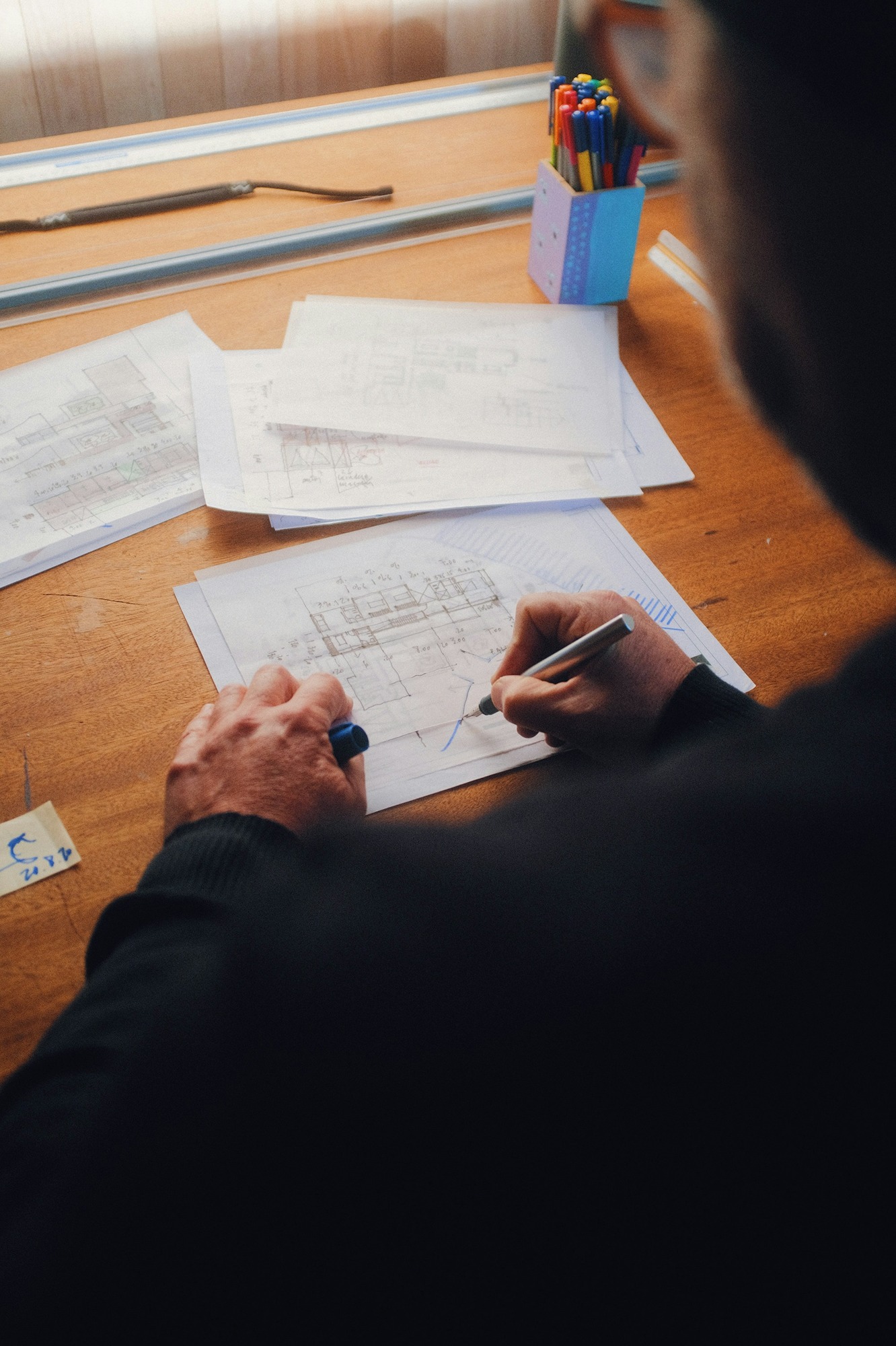
Architects are primarily focused on the design and technical detail of a project. They typically:
Develop concept and detailed designs
Produce drawings and plans
Create 3D visualisations
Consider layout, form, and usability
Prepare Building Regulations drawings
Coordinate structural and technical information
Architects bring creative and technical skills to turn ideas into workable, buildable designs.
Do you need one, the other, or both?
In most cases, the best outcomes come from planning and design working together.
That’s why we combine both professions within one integrated team. This gives our clients:
A clearer understanding of what is realistically achievable
Designs that respond to planning constraints from the start
Stronger, more robust planning applications
Reduced delays between design and submission
A smoother journey from concept to approval
Good design supports planning success - and good planning ensures design is feasible.
Moments That Made Us:
The Honest Path to Building a Better Planning Consultancy
Every business has turning points - quiet moments that shape who you become and how you choose to show up in the world. For us, those moments came early, long before the logo, the website, or even the office door. They were the conversations, the decisions, and the small acts of honesty that laid the foundations of our brand.
1. The first real conversation
It began with a meeting that could easily have been like any other: a developer wanting to understand the true potential of a site. But instead of asking for a glossy report or a carefully filtered answer, they asked for something far more unusual - frank, honest advice.
In that moment, we realised that what people actually needed wasn’t just planning expertise. They needed someone they could trust. Someone who would tell the truth even when it wasn’t convenient.
2. The hardest part: Telling the truth anyway
But honesty isn’t always the easy choice.
Being upfront sometimes meant telling potential clients what they didn’t want to hear. It meant walking away from projects that weren’t right, even when it would have been simpler - and more profitable - to say “yes” anyway. And in a landscape full of well-established local consultancies, it wasn’t immediately clear whether our voice would cut through. Could a small, new business really stand out purely by being…authentic?
3. Choosing to stay true to our core values
But the answer came quickly. We made a conscious decision: to stay true to ourselves, to give advice we could stand behind, and to build a reputation based not only on our skills and knowledge, but on integrity.
And something surprising happened. Instead of turning people away, honesty drew them in. Word spread. Conversations became relationships. Those relationships became projects - and our business flourished alongside the successes we helped our clients achieve. This is the way.

Let’s Talk About Your Project
Whether you're exploring the potential of a site, need help navigating planning policy, or want integrated planning and architectural support, we’re here to guide you with honest, expert advice.