Planning Permission for Lodge Parks, Holiday Accommodation & Rural Tourism
Planning permission for lodge parks and rural tourism developments requires a clear understanding of countryside policy, design and commercial viability. We provide practical advice to deliver successful schemes.
Speak to our team for clear, practical advice on your project.
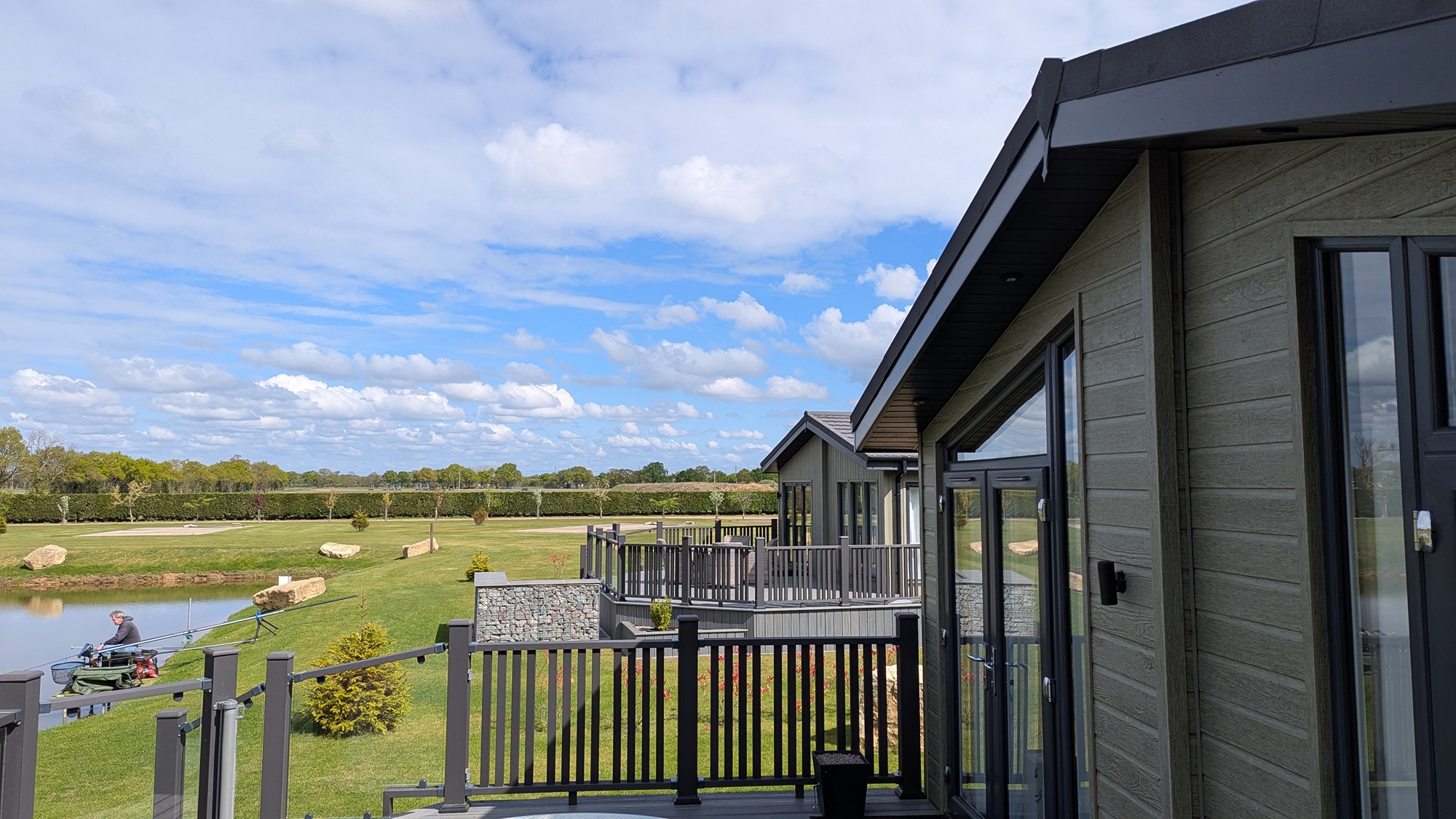
Planning for Lodge Parks & Rural Tourism
We provide specialist planning advice for lodge parks, holiday accommodation and rural tourism developments, supporting landowners, developers and operators across the UK.
These projects require a careful balance of planning policy, landscape sensitivity and commercial viability. Our role is to shape clear, deliverable strategies that maximise site potential while responding to local context and operational needs.
We support a wide range of developments, from new lodge parks and eco-retreats to the conversion of existing buildings and expansion of established sites.
Our Services
Site appraisals and feasibility advice
Masterplanning and accommodation layout design
Planning applications and supporting reports
Change of use and building conversions
Ecology, BNG and landscape coordination
Pre-application strategy and stakeholder engagement
Delivering Commercially Successful Schemes
Creating successful guest accommodation requires more than planning approval. It involves understanding visitor demand, site capacity and long-term operational viability.
We work with clients to:
Optimise layouts and site capacity
Enhance guest experience through design
Navigate planning constraints in rural locations
Deliver policy-compliant, commercially viable developments
Related Planning Services
We also provide specialist advice on:
Agricultural development and diversification
Commercial development and rural enterprise
Leisure and sports developments
Class Q and Class R permitted development
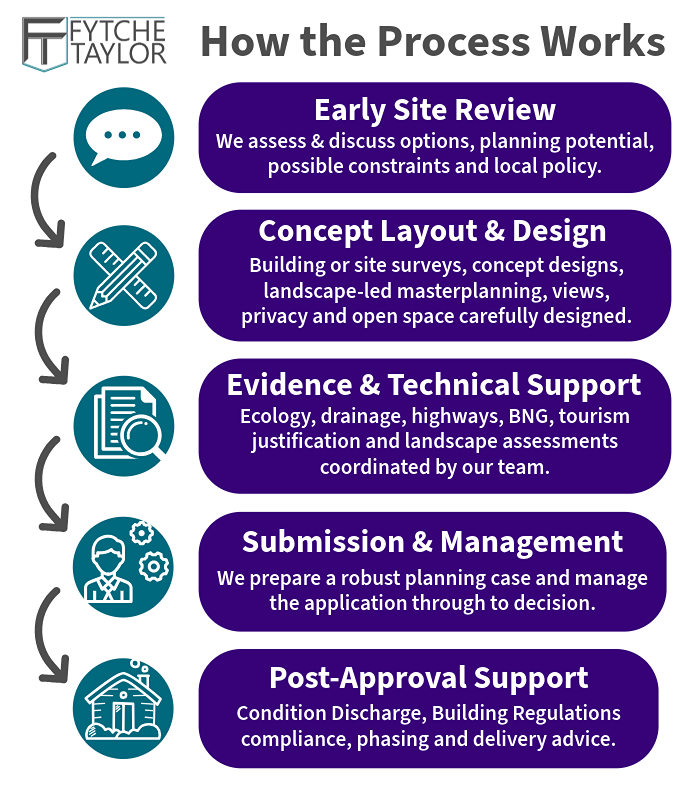
Lodge Park & Rural Tourism Projects
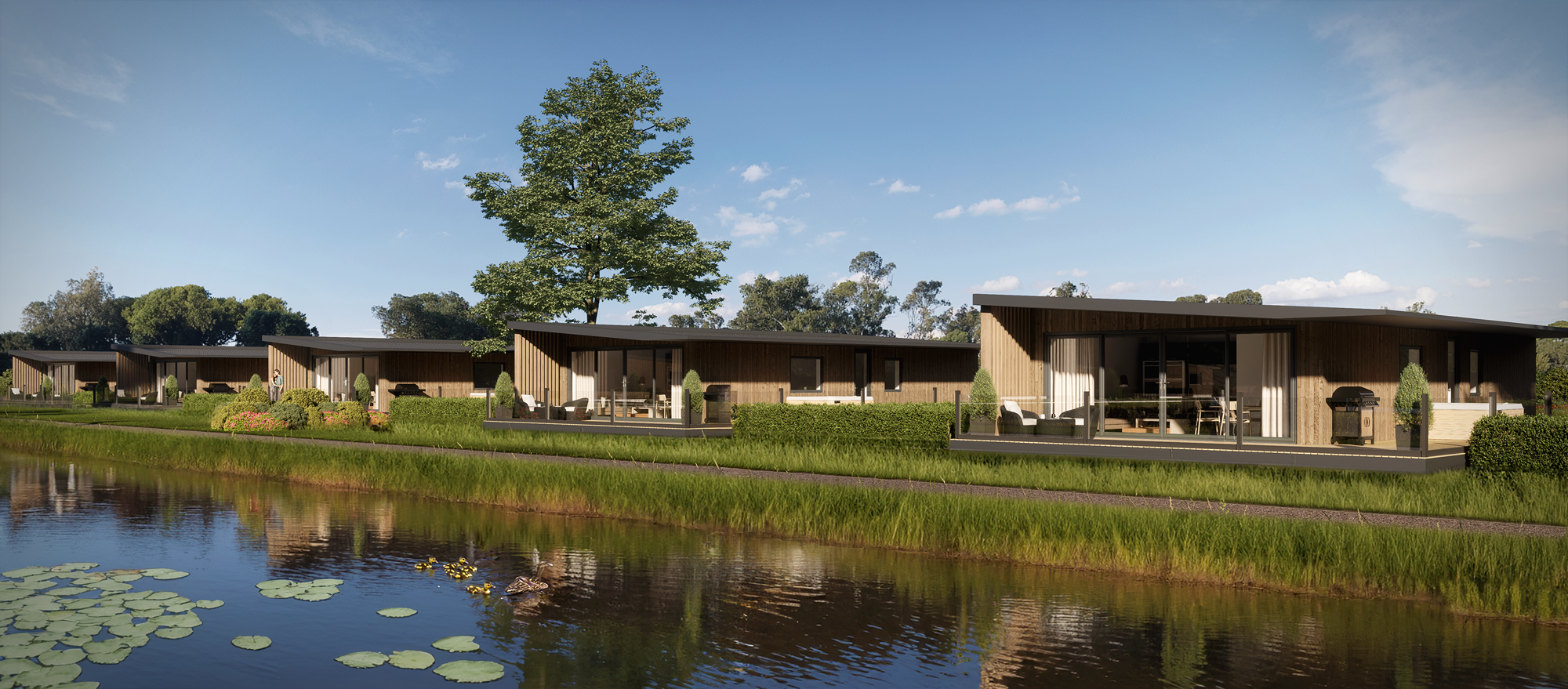
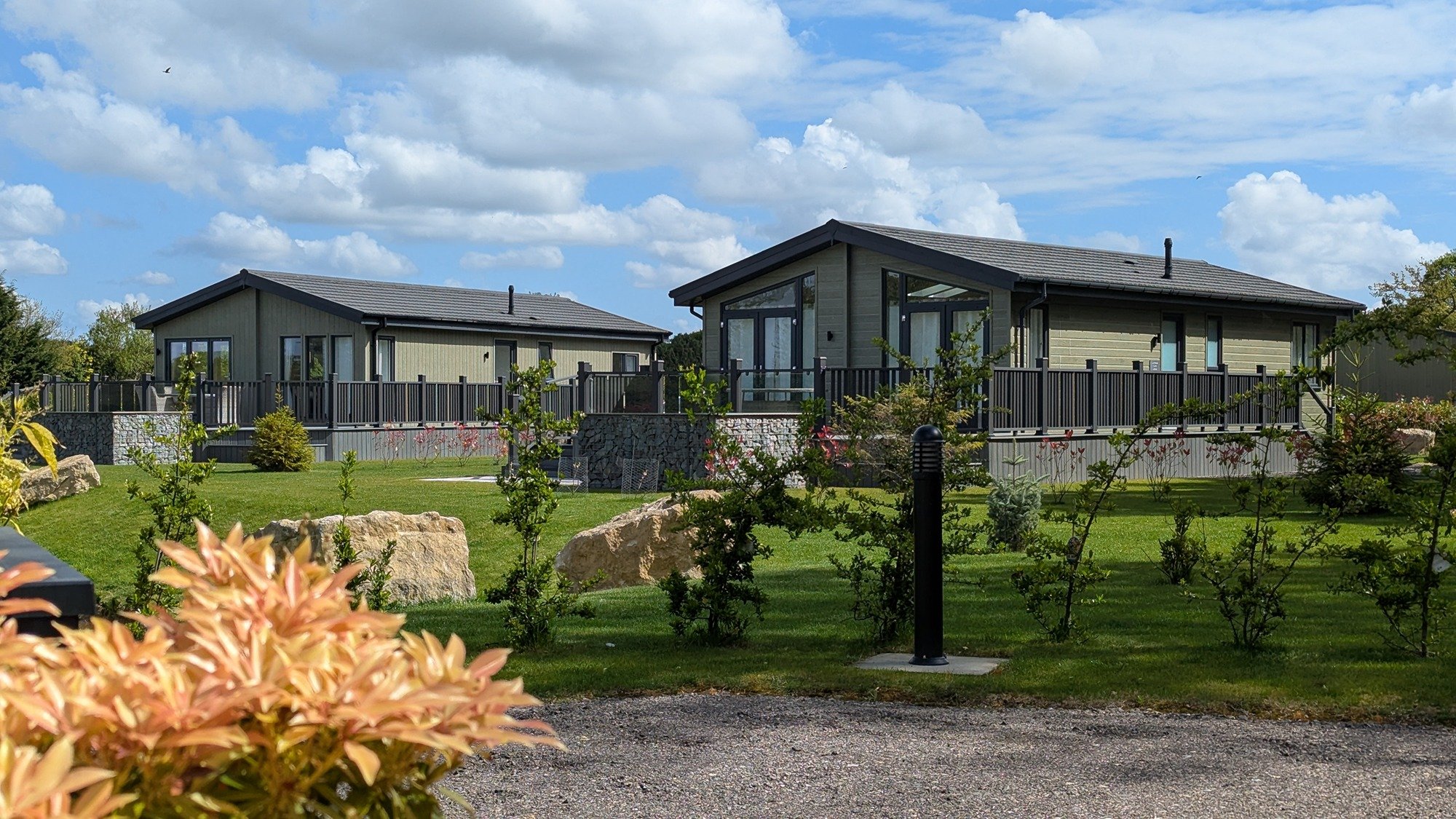
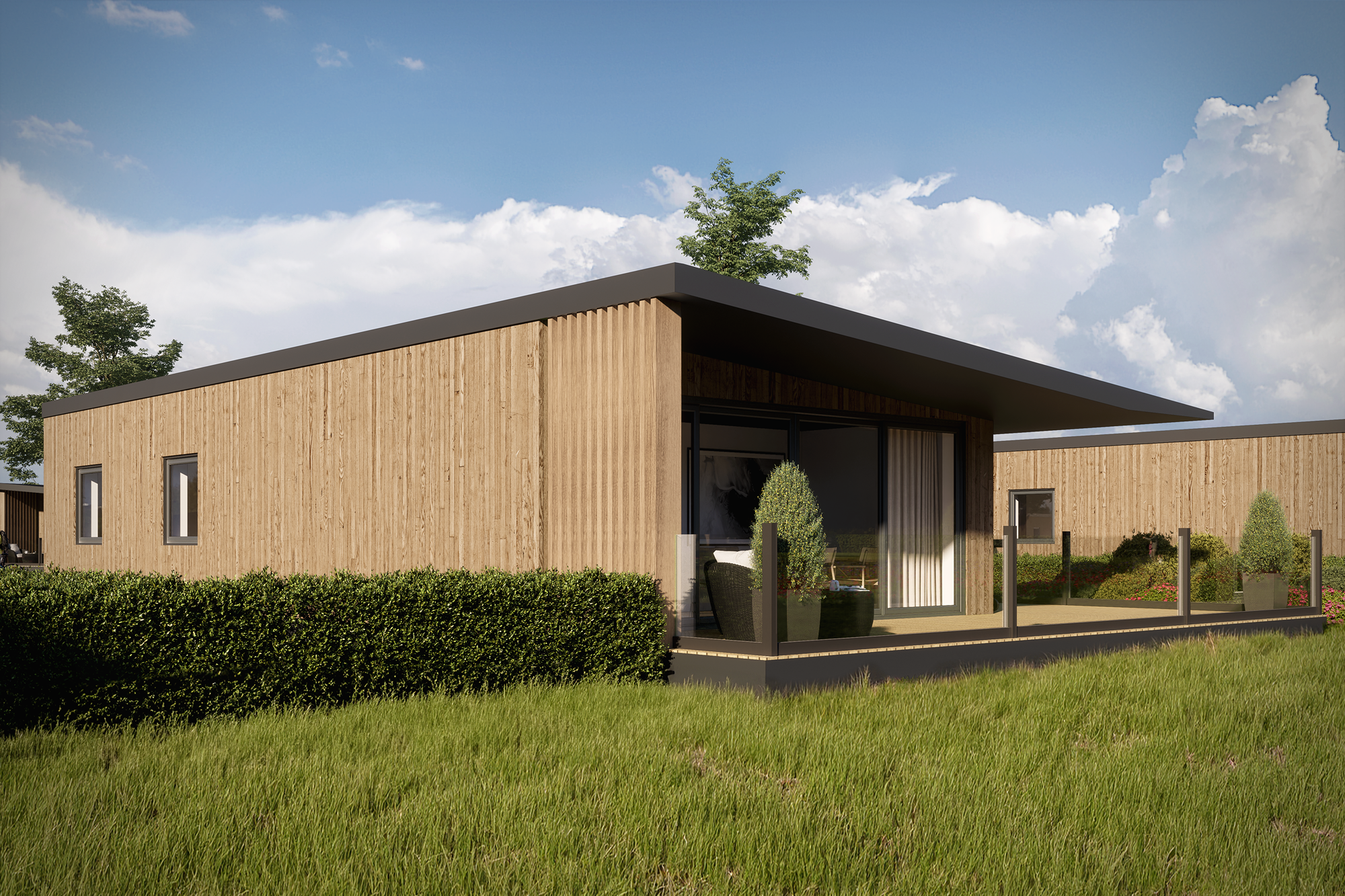
We have delivered a range of lodge park and rural tourism developments, from small-scale diversification schemes to large, multi-phase park expansions - a selection is shown below.
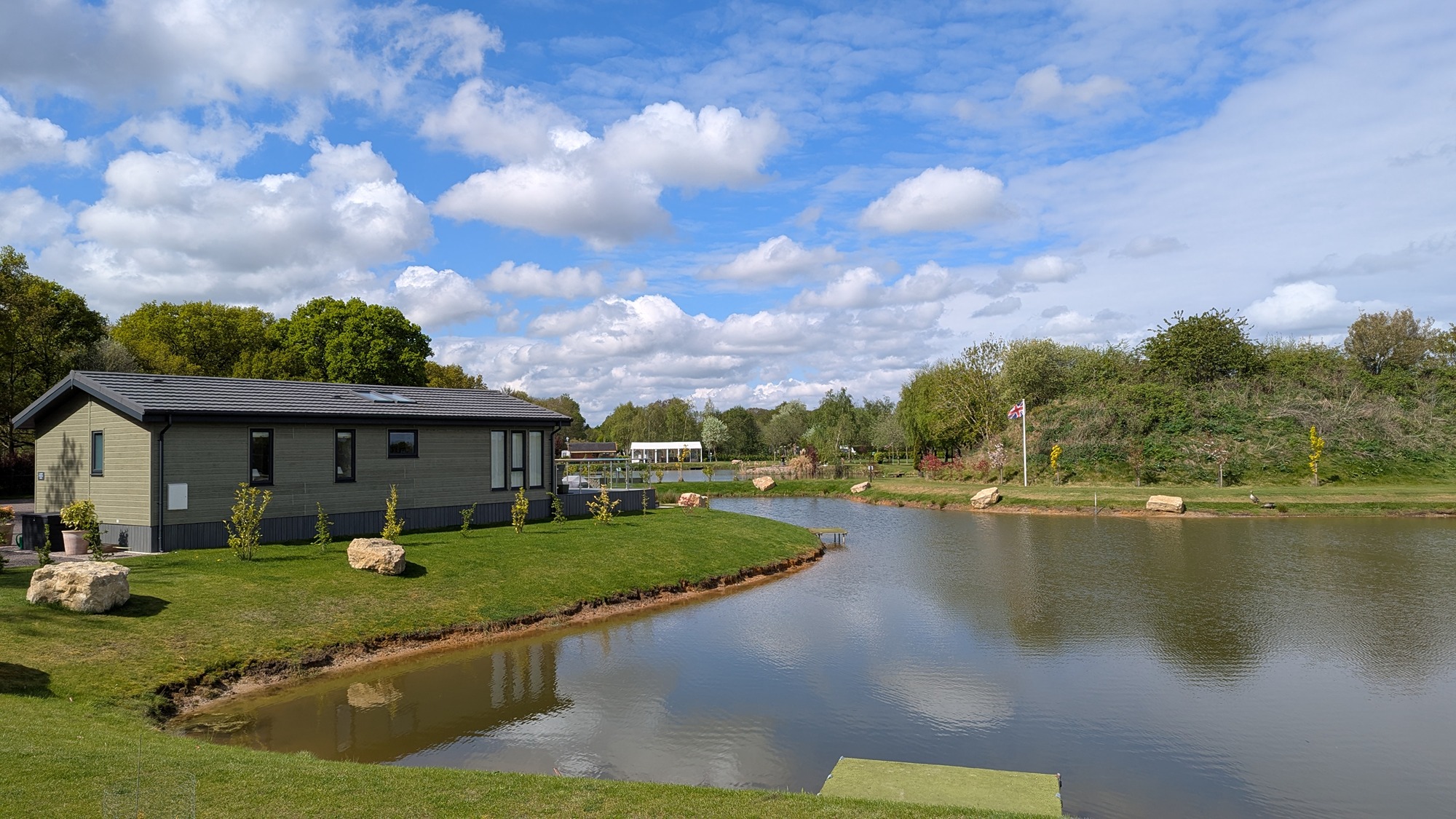
Lakeside Park – Nottinghamshire
A thriving, high-quality lakeside lodge development - including removal of decades-old planning restrictions.
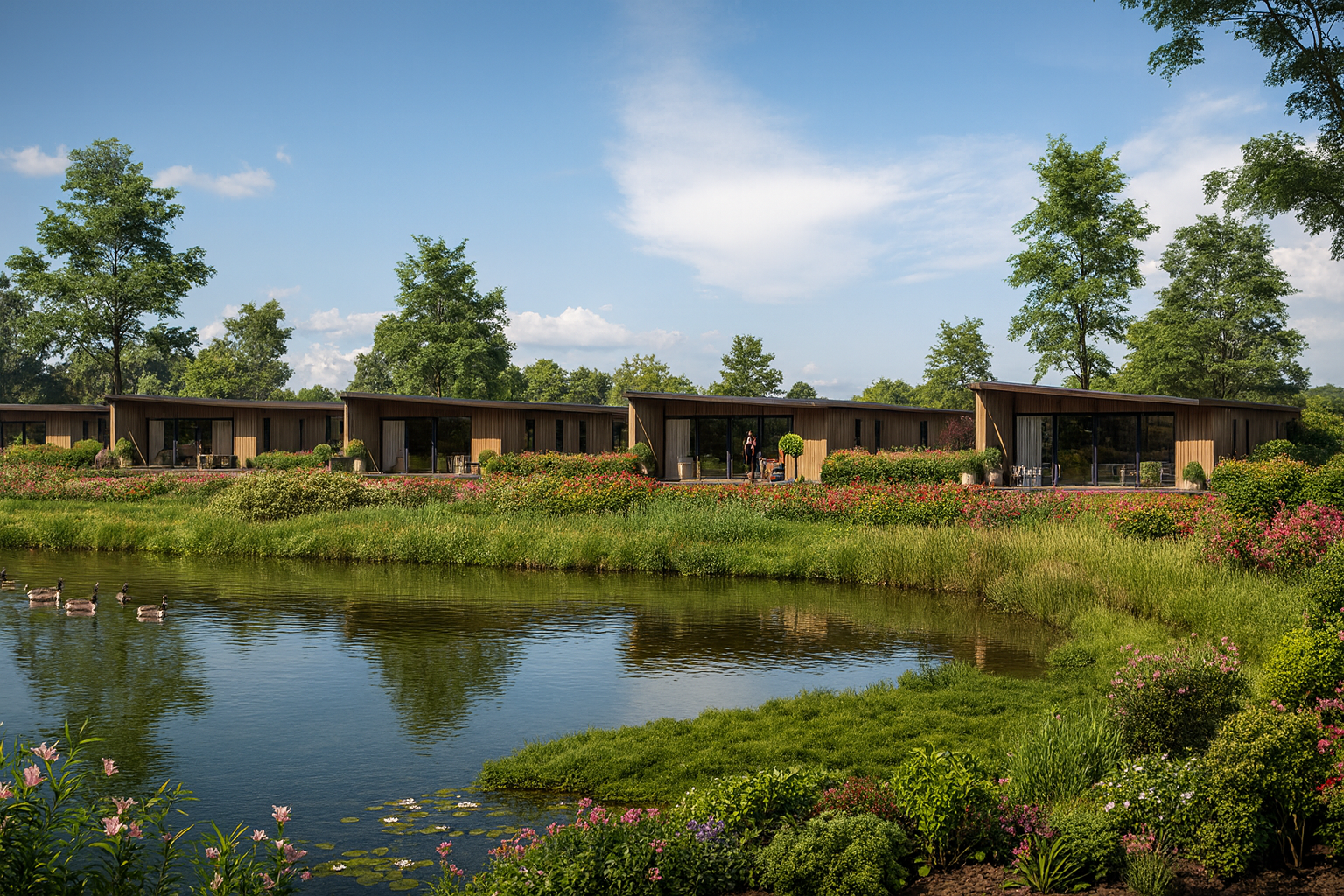
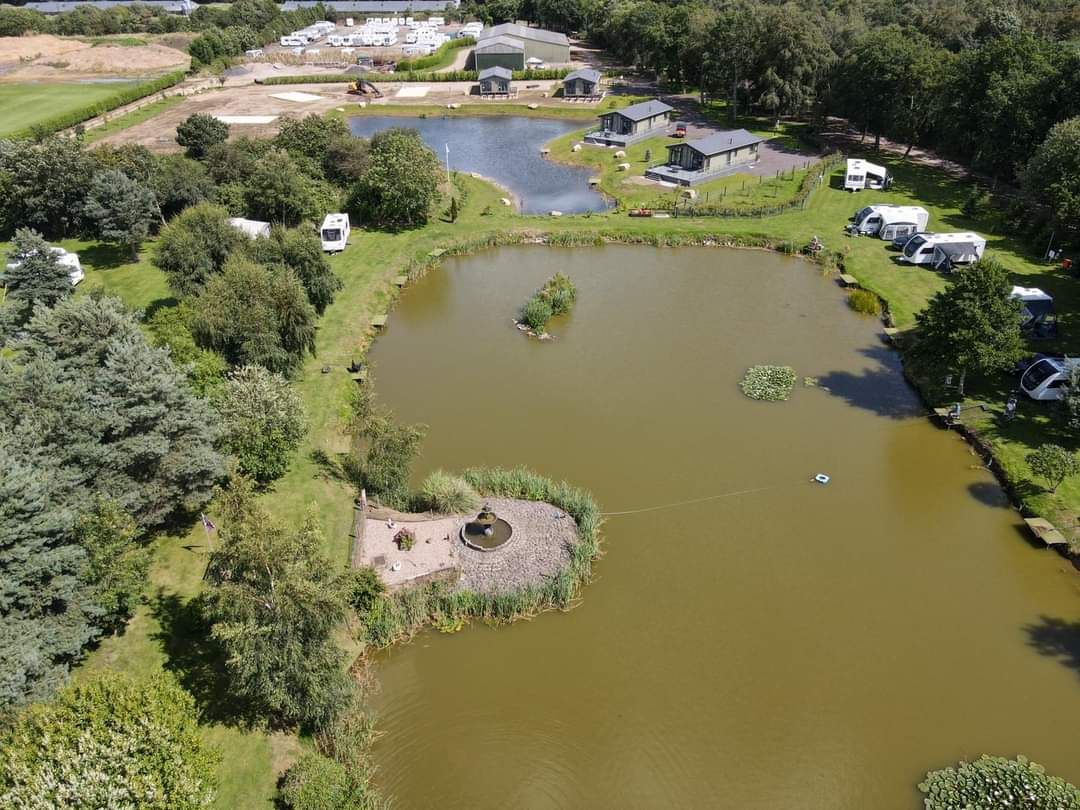
Eco Lodge Park – 14-Lodge Development
A landscape-led holiday lodge scheme featuring three ponds, wildflower meadows, woodland belts and low-impact design.
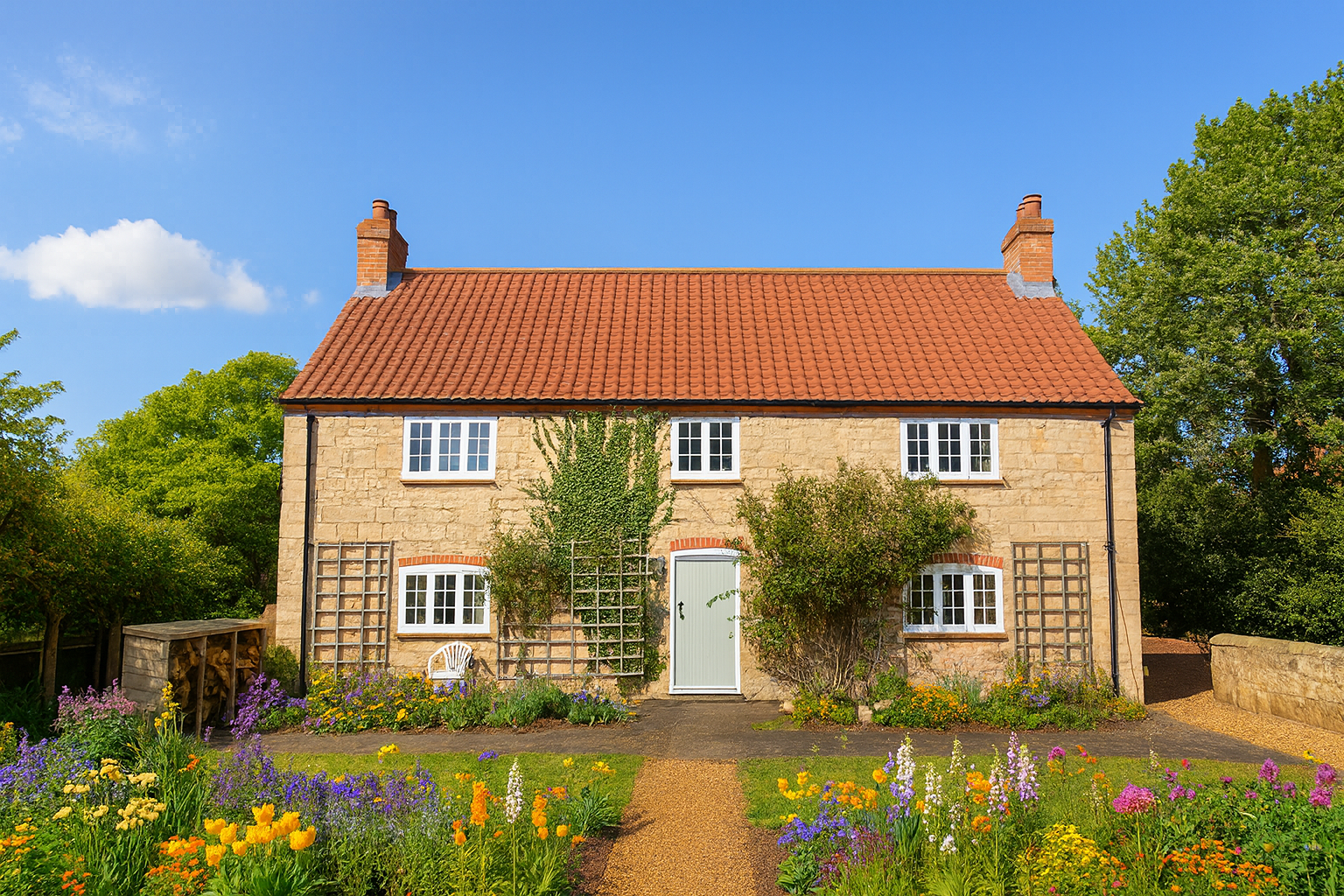
Old Abbey Farmhouse, Woodhall Spa
Transforming a listed farmhouse and outbuildings into characterful new guest accommodation and wedding suites.
Planning a Lodge Park or Guest Accommodation Scheme?
Whether you’re creating a new rural retreat, converting existing buildings or expanding your accommodation offer, we can help shape commercially strong, landscape-sensitive and policy-compliant schemes.
We also advise on removing occupancy restrictions for full residential use — see our Park Homes page for more information.
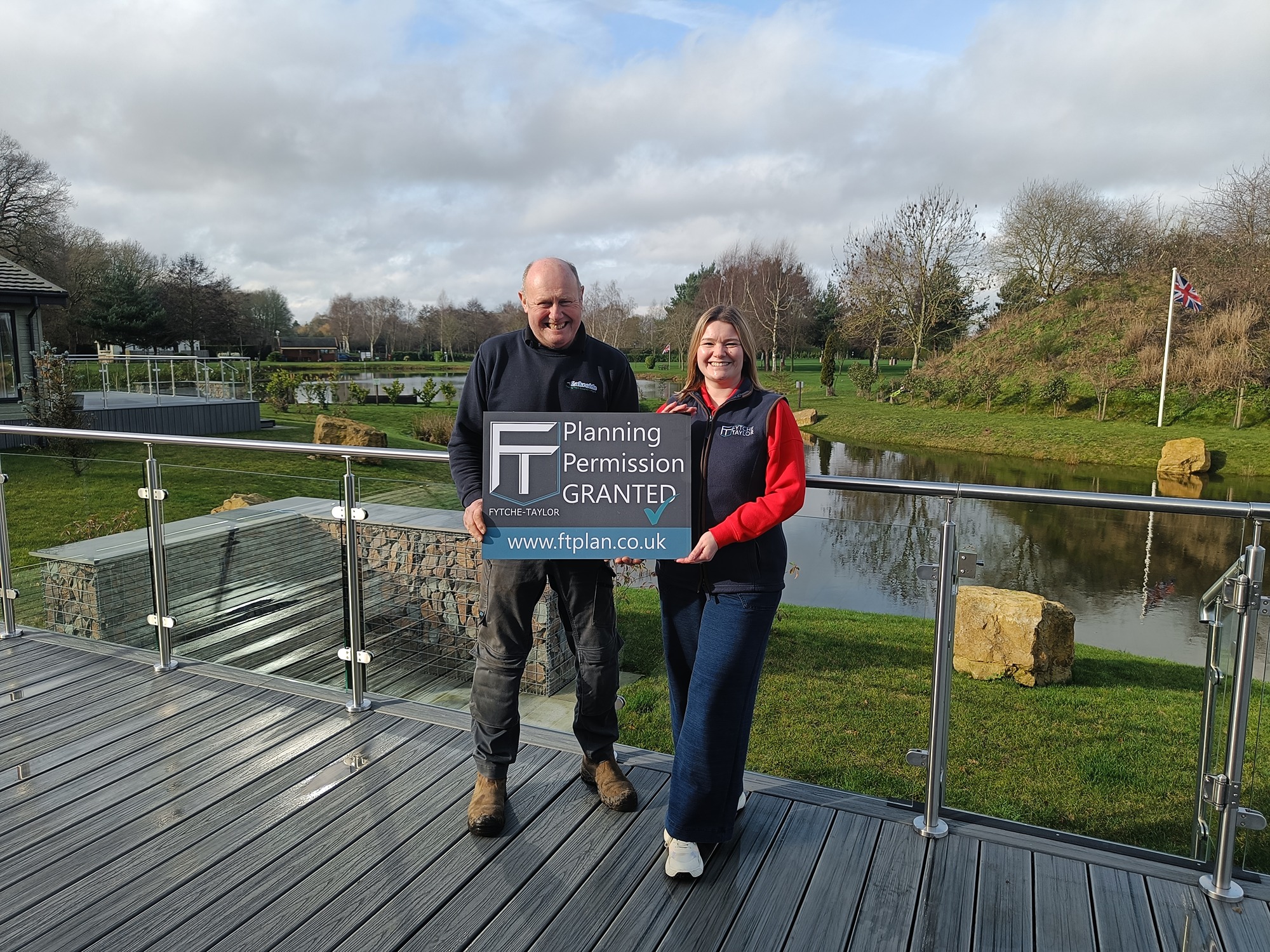

Planning Expertise for Lodges, Guest Accommodation
& Rural Enterprises
"Turn your vision into reality with Fytche-Taylor Planning. We help leisure operators and rural businesses secure planning permission, overcome constraints and unlock new commercial opportunities.".
Oliver Fytche-Taylor
Managing Director
Lodge Development & Holiday Homes FAQs
Knowing the opportunities and restrictions
Planning is complex, and putting together a successful planning application requires time, investment and specialist knowledge. Getting the right people behind your project from the start is therefore incredibly important - and this is where we can help!
For instance, whilst many lodge developments typically have the appearance of a self-contained single storey building or wood cabin elevated from the ground, and despite looking distinctly different from a caravan, in planning terms most park homes and lodges qualify as caravans, as defined in the Caravan Sites and Control of Development Act.
This broadly applies to any lodge built on a chassis base which is then assembled and manoeuvred into position on site. This requires a specific approach when it comes to putting the planning application together that is different from other forms of development, such as building permanent buildings or homes.
Thinking of adding Fishing, Nature Walk or Bird Sanctuary?
If you want to compliment your new lodges or park home site with water features, fishing lakes or extensive landscaping, all of these could trigger additional planning requirements too. Fear not - with our extensive experience in water feature design we have this aspect covered too.
Is a holiday lodge a caravan? This is What the Legislation Says…
Section 29 (1) of the Caravan Sites and Control of Development Act 1960 defines a caravan as: “… Any structure designed or adapted for human habitation which is capable of being moved from one place to another (whether being towed, or by being transported on a motor vehicle or trailer) and any motor vehicle so designed or adapted but does not include: (A) Any railway rolling stock which is for the time being on rails forming part of a system, or (B) Any tent”
Is size limited? The caravan definition doesn’t just apply to single lodge units that are effectively ‘one piece’ – but can also be applied to much larger twin lodges that are built as separate parts and assembled together on site. Section 13 (1) of the Caravan Sites Act 1968, which deals with twin-unit caravans. Section 13 (1) provides that: “A structure designed or adapted for human habitation which:
(A) Is composed of not more than two sections separately constructed and designed to be assembled on a site by means of bolts, clamps and other devices; and
(B) Is, when assembled, physically capable of being moved by road from one place to another (whether being towed, or by being transported on a motor vehicle or trailer), shall not be treated as not being (or have been) a caravan within the means of Part 1 of the Caravan Sites Control of Development Act 1960 by reason only that it cannot lawfully be moved on a highway when assembled”.
What is allowed? To meet the current definition of caravan, the regulations state (last updated in 2006) that:
(a) Length (exclusive of any drawbar) 20m (65.6FT)
(b) Width: 6.8m (22.3ft)
(c) Overall height (measured internally from the floor at the lowest level to the ceiling at the highest level) 3.05m (10ft)
All structures classed as caravans must be movable in one whole unit when assembled. It is not necessary for a caravan to be towed, only that it is capable of being moved by road, if required.