
Class Q Permitted Development: Barn Conversions
Class Q permitted development allows agricultural buildings to be converted into residential dwellings without full planning permission, subject to prior approval and specific criteria.
We provide clear, practical advice to help maximise opportunities and deliver successful schemes.

What is Class Q?
Class Q permitted development allows the change of use of agricultural buildings into residential dwellings without the need for a full planning application, subject to a prior approval process. This provides a valuable opportunity to create homes in rural areas, particularly where new-build development would normally be restricted by planning policy.
However, Class Q is not a “free pass” - proposals must meet strict criteria, and careful planning is essential to secure approval.
Key Class Q Requirements
To qualify for Class Q, proposals must typically demonstrate:
The building is part of an established agricultural unit
The structure is capable of conversion without major rebuilding
The development falls within size and dwelling limits (up to 10 homes / 1,000m²)
The proposal meets prior approval requirements (e.g. highways, noise, contamination)
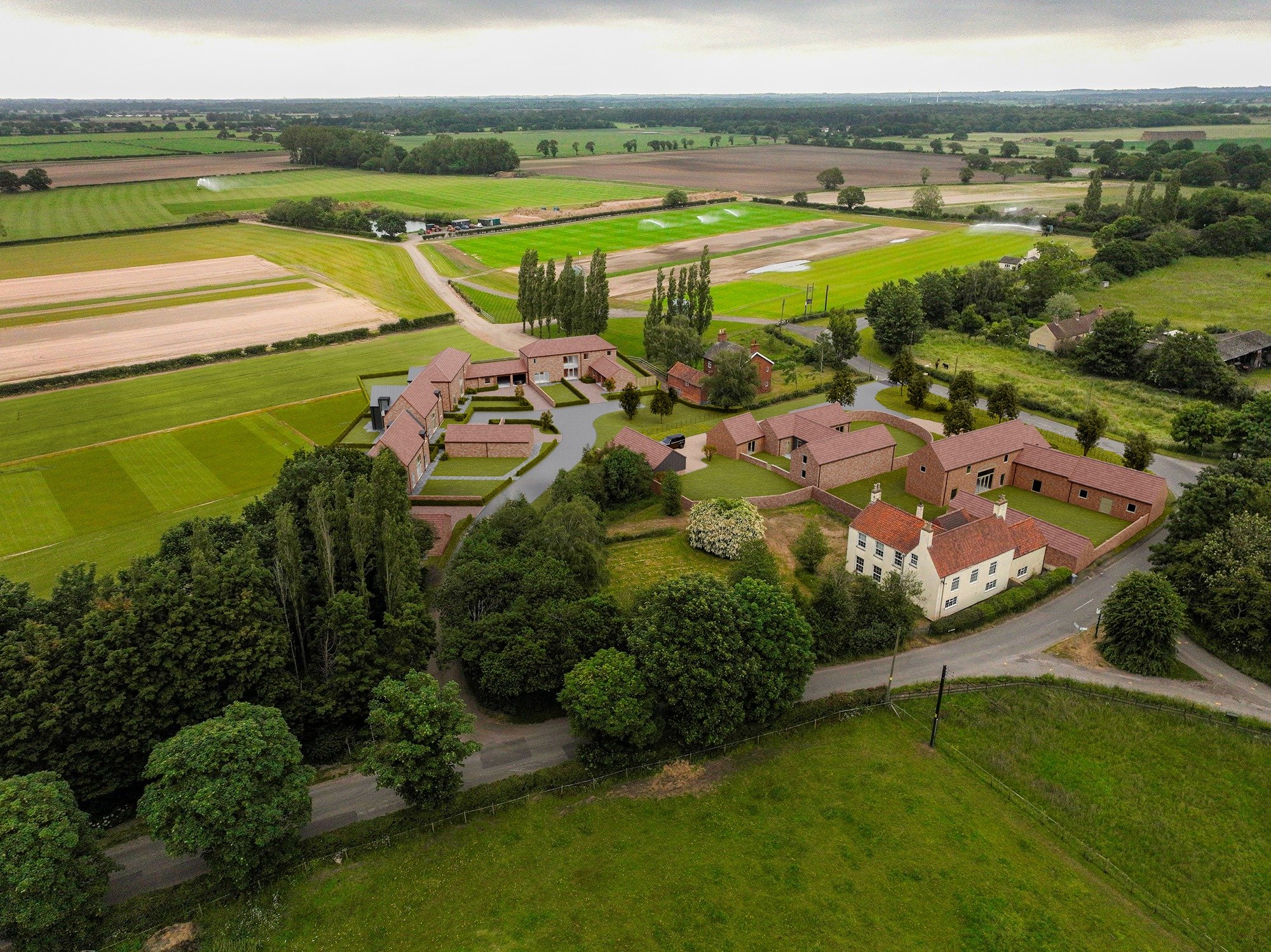
Case Study: Revitalising Manor Farm, Spalford
Sensitive barn conversions and bespoke new homes
Fytche-Taylor Planning transformed Manor Farm, Spalford, securing full permission for two historic barn conversions, Class Q consent for five modern barn dwellings, and planning for five architect-designed new homes. Our coordinated planning, design and technical expertise revitalised the farmstead, enhancing the rural landscape while delivering a well-planned, multi-phase residential development. See how we did it...
Unlocking Development Potential
Class Q can unlock significant value by allowing residential development in locations where new housing would not normally be permitted. We help clients:
Assess whether buildings qualify - Site appraisals and feasibility advice
Identify the most effective development strategy - Planning strategy and fallback options
Maximise site value and layout potential - Architectural design and development options
Avoid common pitfalls that lead to refusal - Identify best route through planning & coordinate technical reports
When Class Q May Not Be Suitable
Not all buildings qualify for Class Q. Full planning permission may be required where:
Significant structural work is needed
The site is in a sensitive location
Design ambitions go beyond Class Q limitations
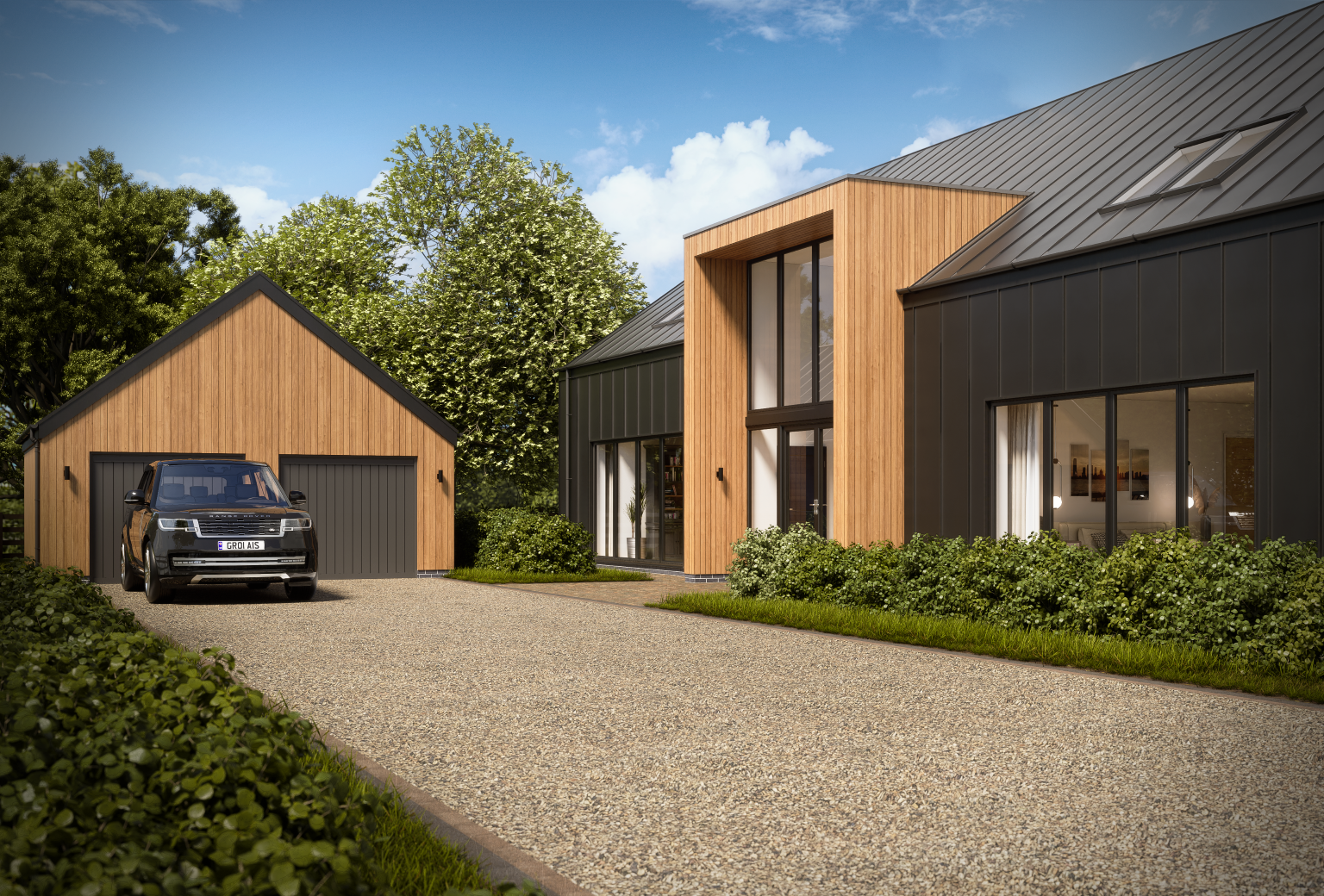
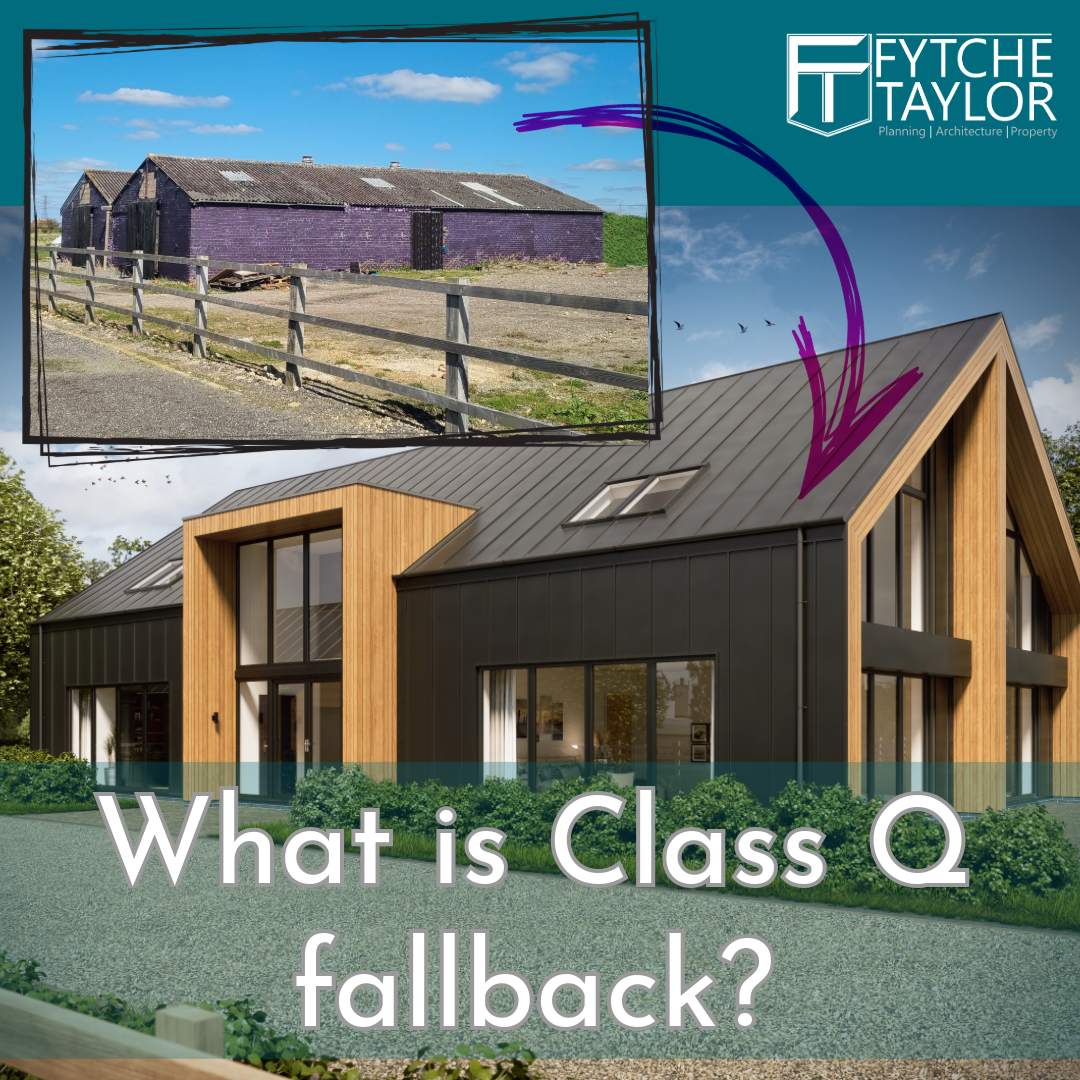
Class Q Fallback Opportunity
If you have had a ‘Class Q’ conversion approved (or Class MA Commercial to Residential) – do you know about the 'fallback opportunity’ too?
The recent shake-up in planning rules, which many are dubbing the ‘Clarkson Clause’ in honour of Diddly Squat’s triumphant owner, mean that the opportunities for converting agricultural buildings for residential or commercial use has never been better.
Size limits: Each dwelling is capped at 150 m², and total floor area under Class Q cannot exceed 1,000 m².
Extensions: Single-storey rear extensions of up to 4 m are now allowed, subject to conditions and existing hardstanding.
Building eligibility: Structures erected before July 2023 may now qualify, even if they are no longer part of a functioning farm.
Design: Any conversions must preserve character; new openings should reflect agricultural features and external materials should be sympathetic.
Prior approval: Even though full planning might not be required, a prior approval application must be submitted and assessed by the Local Planning Authority.
Related Services
Agricultural development and diversification
Lodge parks and rural tourism
Class Q Barn & Conversion Projects
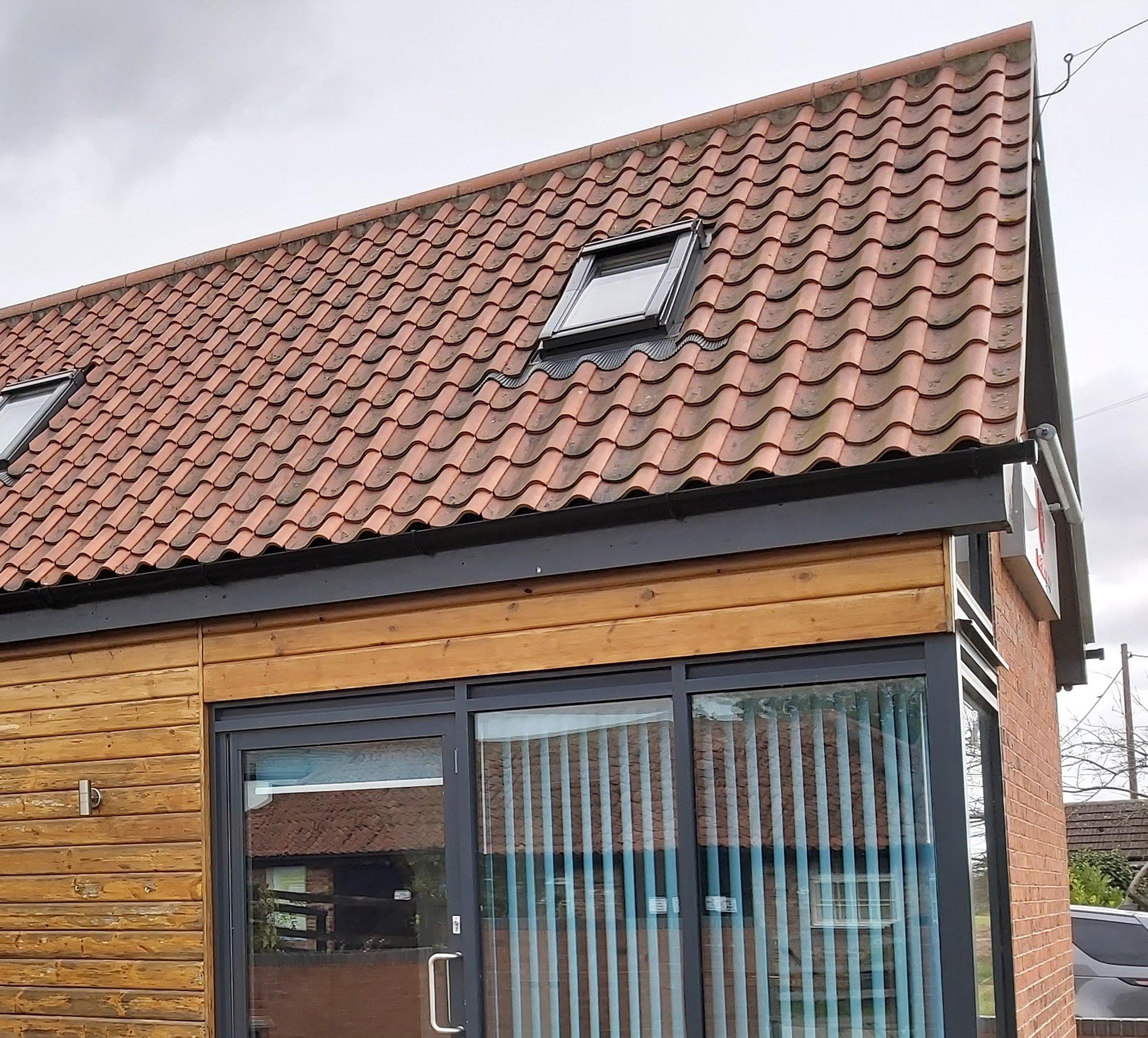
Class MA Nettleton - Approval for three countryside homes on the outskirts of Lincolnshire Wolds
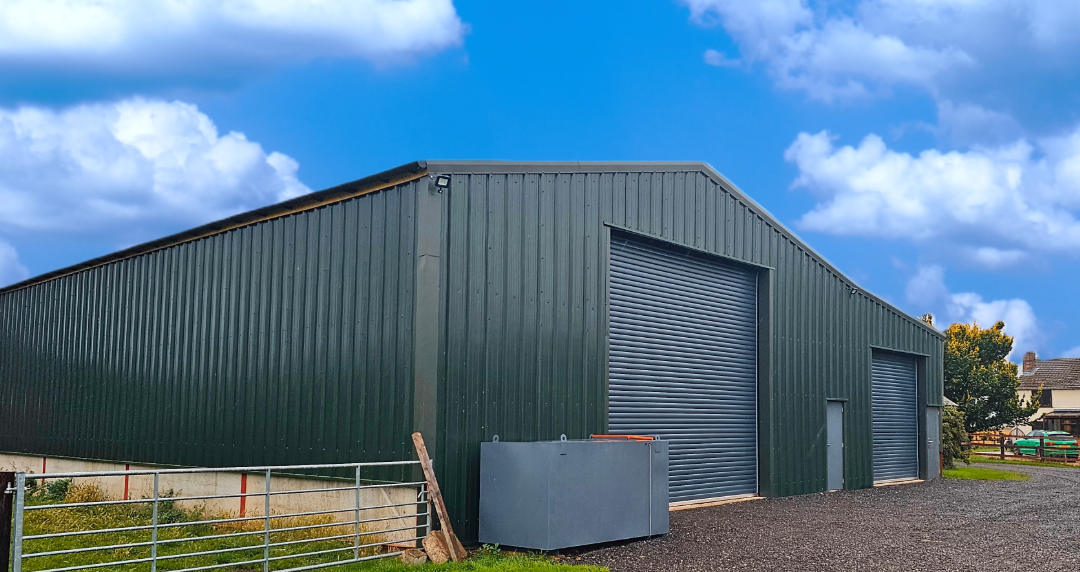
Class R Billinghay - turning Agri sheds into valuable and marketable commercial space.
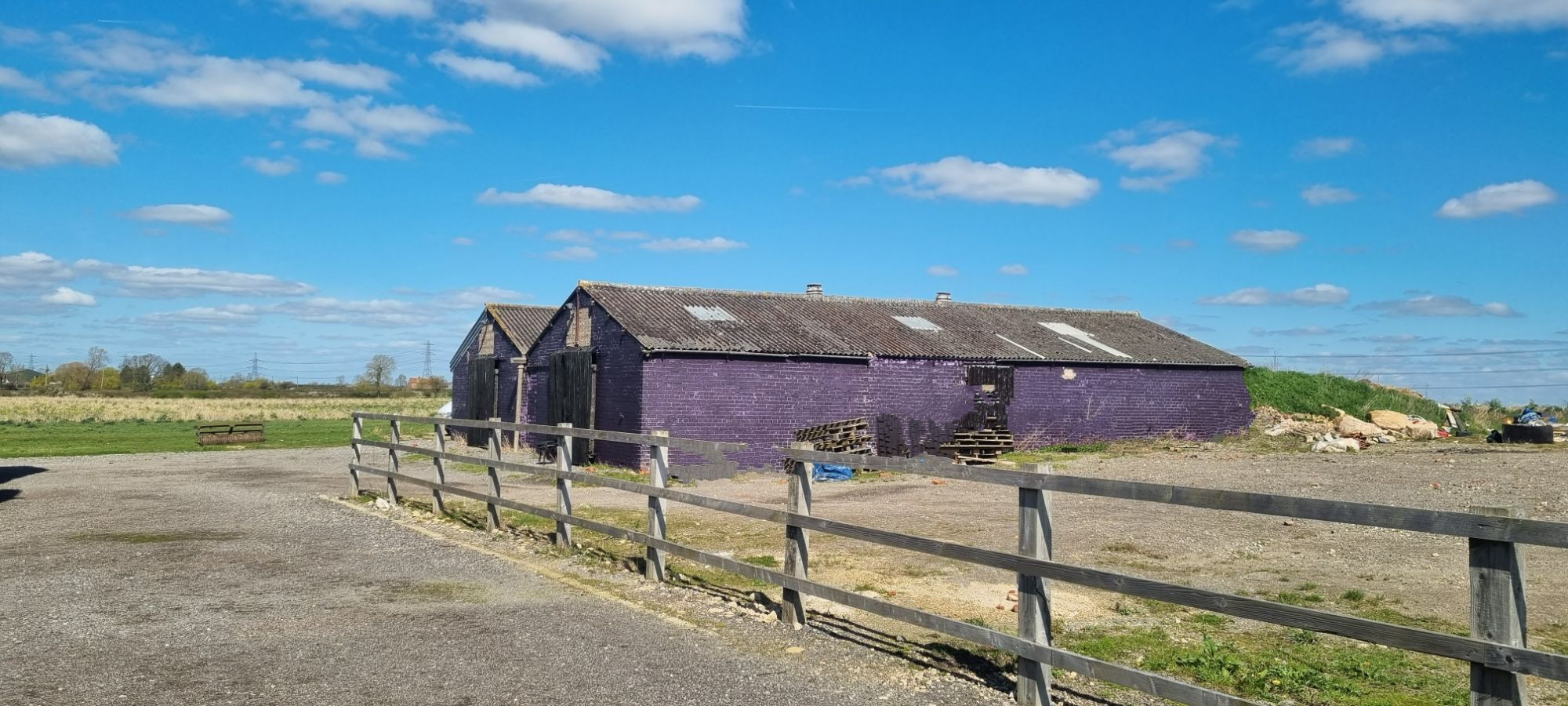
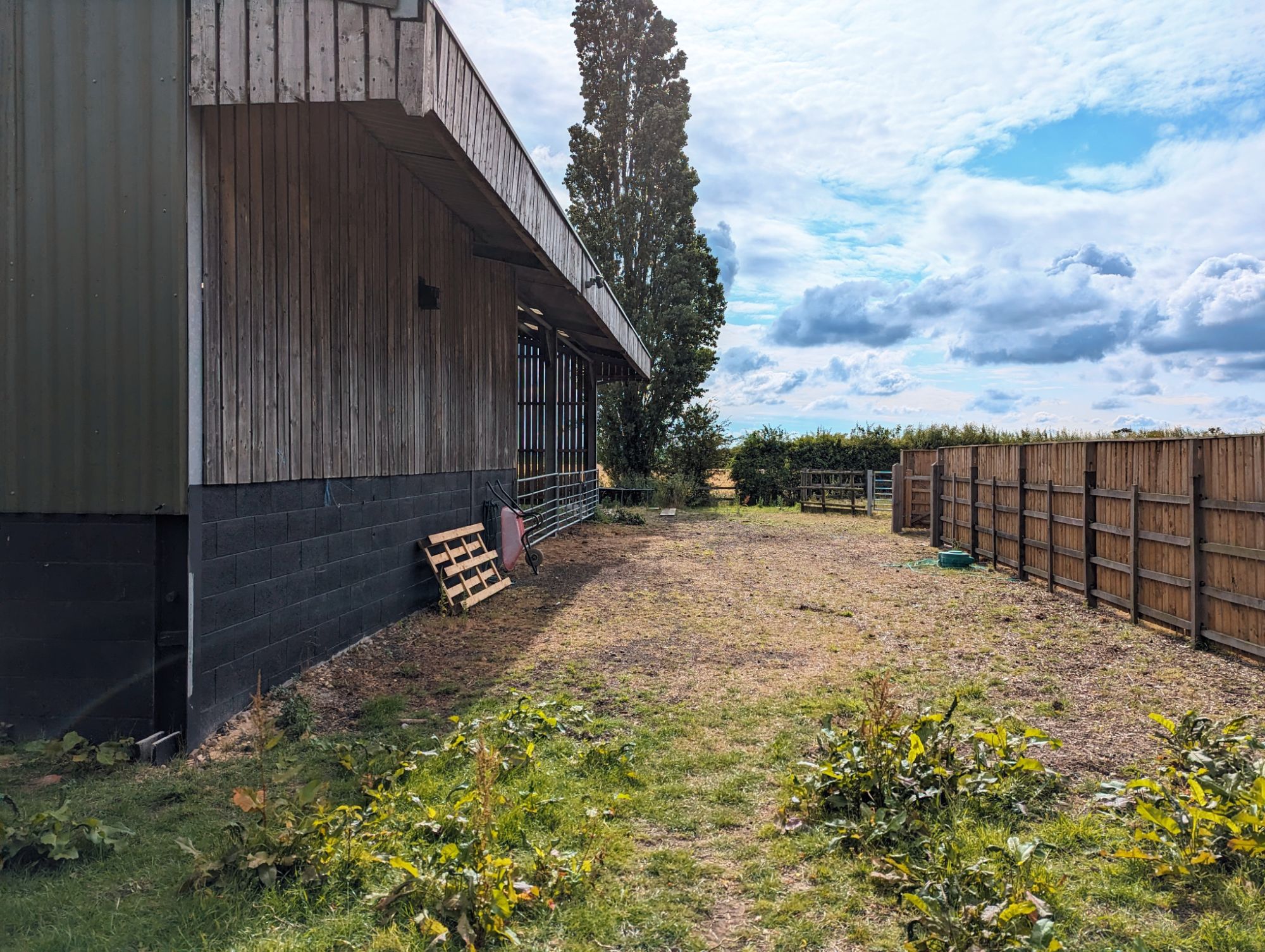
Class Q Sturton by Stow: Plans approved to turn barn into a huge new home.
Other Permitted Development Opportunities
In addition to Class Q, other permitted development rights may offer opportunities for rural and commercial development, depending on your site and objectives.
Class R: Agricultural to Commercial Use
Class R permitted development allows the change of use of agricultural buildings to a range of commercial uses, including offices, storage, light industrial and leisure. This can provide a valuable route for rural diversification, enabling landowners to introduce new business uses without the need for a full planning application, subject to prior approval.
We advise on whether buildings qualify, the most appropriate use class, and how to structure proposals to maximise the chances of approval.
Class MA: Commercial to Residential
Class MA permitted development allows the change of use of commercial buildings (typically Class E uses such as offices, shops or light industrial) to residential dwellings, subject to prior approval. While more commonly associated with urban or edge-of-settlement locations, Class MA can present opportunities to repurpose underused commercial buildings and unlock residential value.
We provide advice on eligibility, prior approval requirements and the most effective strategy for delivering successful schemes.
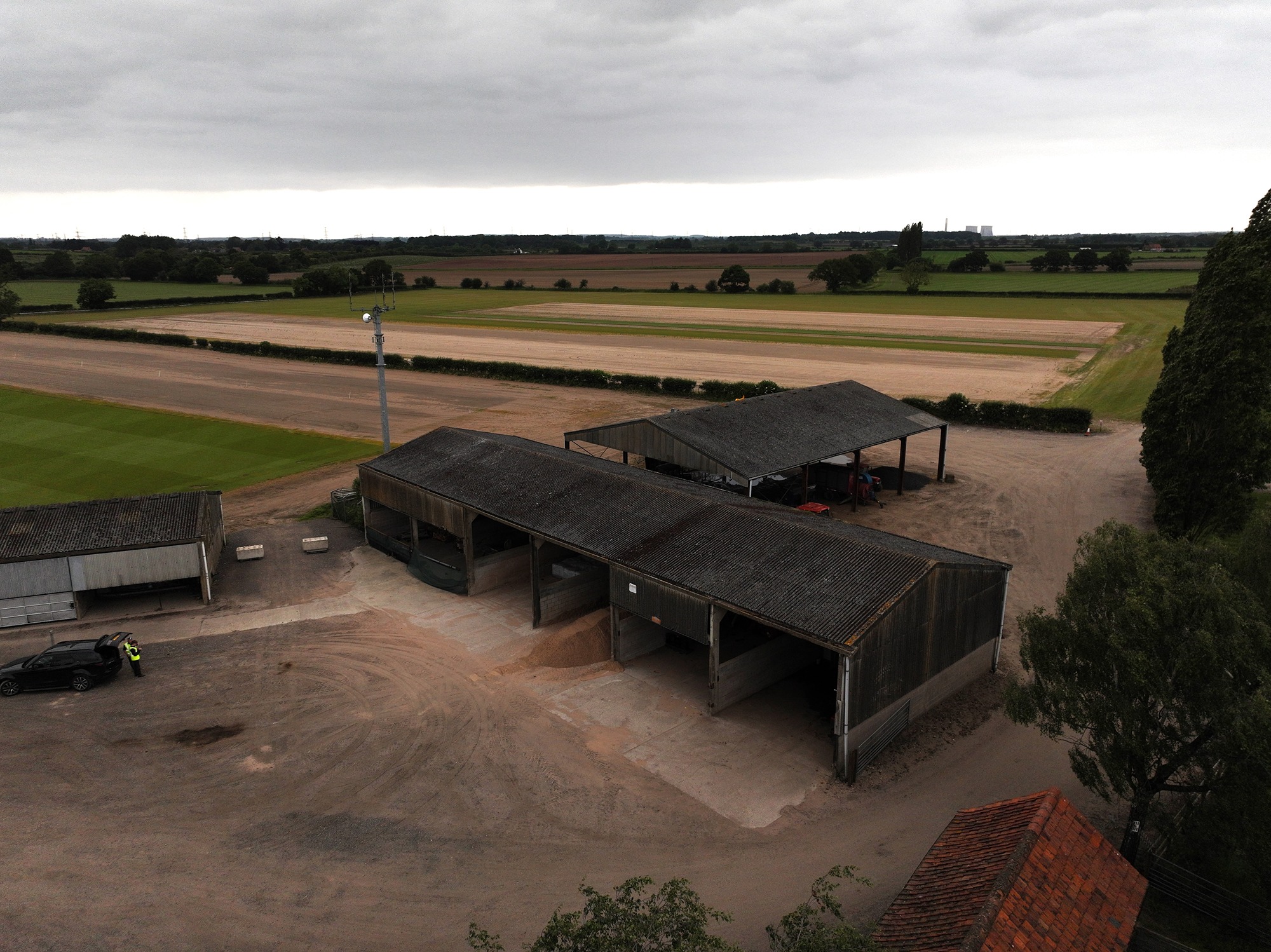
⭐️⭐️⭐️⭐️⭐️ "An outstanding level of knowledge"
"Very impressive level of knowledge and helpful throughout. An outstanding level of knowledge and helpful in arranging everything on our behalf. These guys really work hard to listen to their clients and we would definitely recommend them. Thank you for everything you did for us" 5-star Google review - Roger & Elizabeth Wright