
December 2025 - Government Planning Reform & NPPF Revisions – What You Need to Know
An overview of proposed government planning reforms, including NPPF updates and targeted changes to Biodiversity Net Gain affecting SME and brownfield development - plus Farm Diversification news.
Government Planning Reform – What You Need to Know
The government has launched a major consultation on planning reform, proposing the most significant update to the National Planning Policy Framework (NPPF) in over a decade. The aim is to create a clearer, more predictable planning system that gives greater certainty for developments that meet policy requirements.
Overall, the reforms are intended to make the planning process easier for communities, local authorities and developers, while supporting economic growth, housing delivery, rural areas and nature recovery.
Balancing Growth and Nature
The government has reaffirmed that development and environmental protection must go hand in hand. The proposed changes seek to deliver new homes and infrastructure while maintaining strong environmental standards.
Changes to Biodiversity Net Gain (BNG)
Since becoming mandatory, Biodiversity Net Gain has helped ensure developments consider biodiversity impacts from the outset. It is estimated to be preventing the loss of 6,000–10,000 hectares of habitat each year in England. Evidence suggests BNG is working well for larger developments, with biodiversity being considered earlier in scheme design.
However, the government recognises that BNG can be more challenging and costly for smaller schemes and some brownfield sites. As a result, targeted changes are being proposed.
Support for SME and Brownfield Development
Following a consultation earlier this year, the government is proposing:
An exemption from BNG for developments on sites smaller than 0.2 hectares, reducing costs and administrative burden for SME developers.
A further consultation on a possible BNG exemption for brownfield residential sites, testing different definitions of brownfield land and potential size thresholds up to 2.5 hectares.
Improvements to off-site BNG delivery, making it quicker, simpler and more cost-effective.
These changes are intended to support housing delivery while ensuring BNG continues to be delivered where it can have the greatest environmental benefit.
Unlocking opportunities for farmers and rural businesses
Also included in the proposed changes are "National decision-making policies", including reforms designed to make it easier for farmers and rural businesses to grow, diversify and invest with confidence.
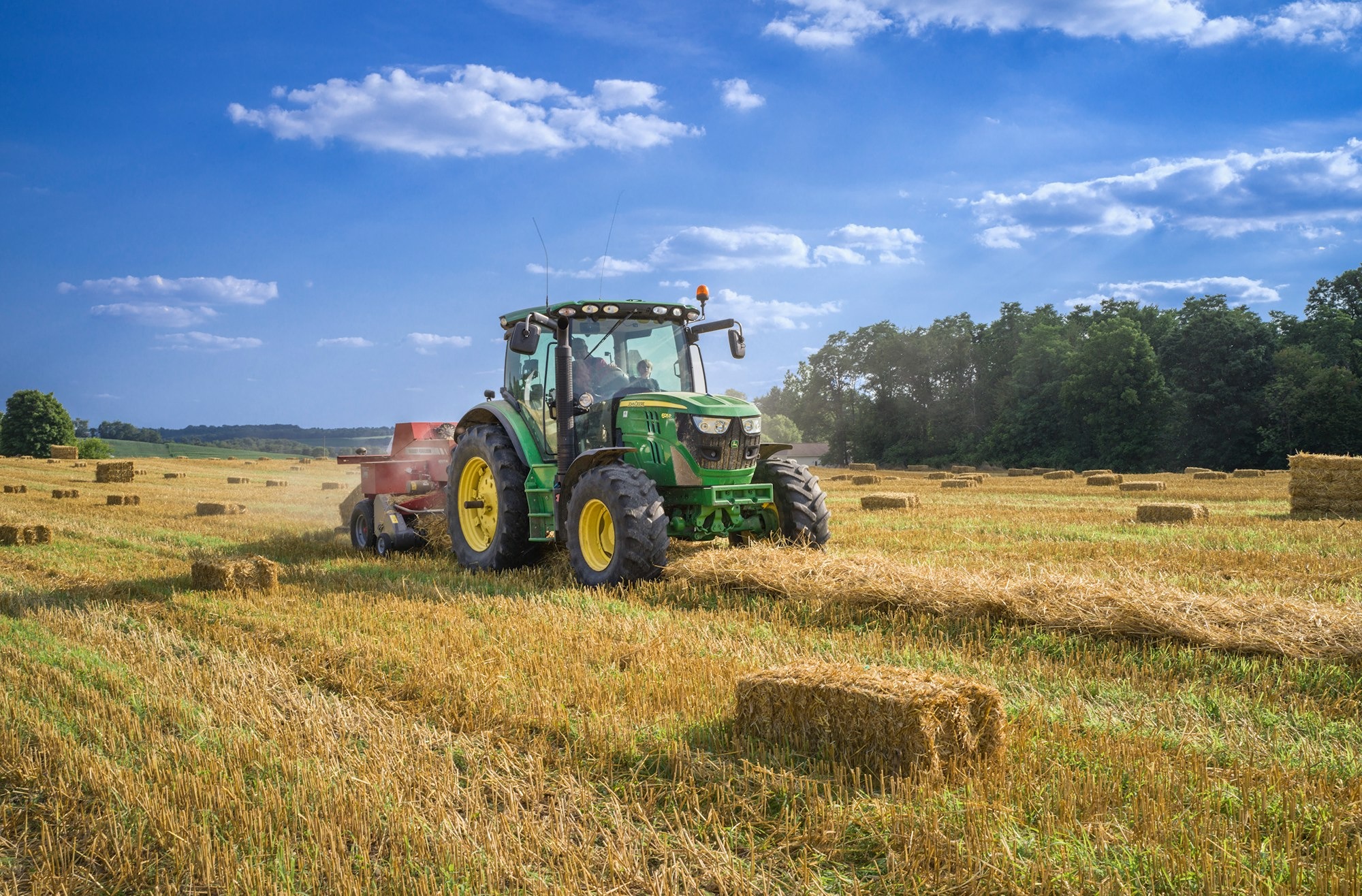
Under the changes, local councils will be expected to clearly support development needed by the farming industry - this includes essential modern infrastructure such as on-farm reservoirs, greenhouses, polytunnels and farm shops – all of which are stated as “infrastructure that's essential for modern, productive farming”.
The reforms are designed to benefit the wider rural economy too - small rural businesses often face challenges securing planning permission, even for sensible and well-designed proposals. The new approach aims to shift this mindset, encouraging councils to recognise rural business development as a positive and necessary driver of local growth.
Next steps
A full consultation response and implementation timetable are expected in the new year. Separate proposals for applying BNG to nationally significant infrastructure projects are due to take effect from May 2026.
Until any changes are formally implemented, BNG requirements remain unchanged, and developers should continue to follow current legislation and guidance.
If you need professional support or planning advice for your next project, we can help.