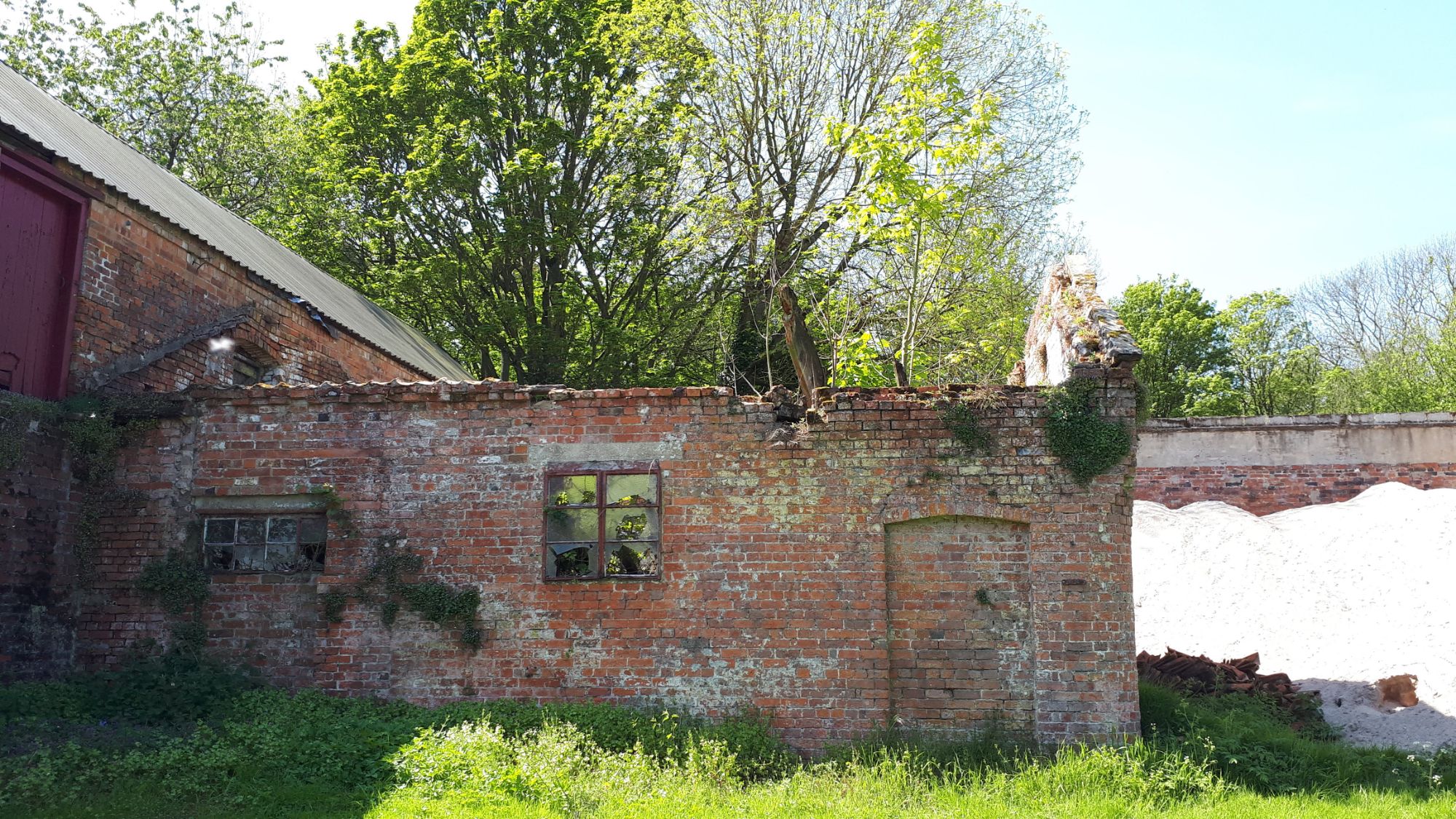
How robust evidence helped prove that an original countryside dwelling had not been abandoned
Why planning history matters for rural property owners

Article by Amy Davies MRTPI
Chartered Senior Planning Consultant, Fytche-Taylor Planning

CERTIFICATES OF LAWFUL DEVELOPMENT: GETTING THE STRATEGY RIGHT
How robust evidence helped prove that an original countryside dwelling had not been abandoned
For owners of rural properties, a Certificate of Lawful Development can be a vital first step before pursuing future plans. Where the lawful use of a building is uncertain, the right evidence and the right strategy can make all the difference.
In Central Lincolnshire, any proposal to replace an existing dwelling in the countryside must first satisfy a key test:
The residential use of the original dwelling has not been abandoned.
In a recent case submitted to West Lindsey District Council, Fytche-Taylor Planning Ltd were appointed to answer that question for a dwelling first established in 1929 - almost 100 years ago.
The site’s history tells a fascinating story. An obsolete barrack hut from the former RAF Scampton airfield was initially repurposed as a joiner’s workshop before becoming a home for a pair of newlyweds, who went on to start their family there. The property was later occupied by various family members and tenants before passing into our client's family, who enjoyed it as a holiday home for many years.
Because the dwelling had been established long before the modern town planning system, there was no formal planning history relating to the property or its use as a dwellinghouse. However, there was a substantial body of family and historical evidence, including estate and rental records dating back to the mid-1940s, sale and conveyance documents, mortgage documents, probate and ownership records and, perhaps most crucially, council tax documents.
Taken together, this evidence ultimately satisfied the Council that the existing building and its curtilage were lawfully regarded as a single dwellinghouse within Use Class C3.


The owners trusted Fytche-Taylor Planning Ltd to review the evidence gathered over many years and prepare a comprehensive, fact-based application confirming the lawful status of the site to the Council. The result was a Certificate of Lawful Development, which our client can now rely upon as they consider the next stage of pursuing a replacement dwelling.
At Fytche-Taylor Planning Ltd, we specialise in complex planning cases where the evidence, strategy and presentation all matter. This case is a small but valuable example of how establishing the lawful status of an existing building can open up opportunities that might otherwise be overlooked.
For owners and landowners, it is also an important reminder not to dismiss an older or dilapidated building simply because it has fallen into disrepair. Understanding its history and lawful planning status at the outset can be crucial in determining what opportunities the property may hold.

Do you own land with buildings?
If you have a property and are unsure about its lawful planning status, get in touch with our team today..